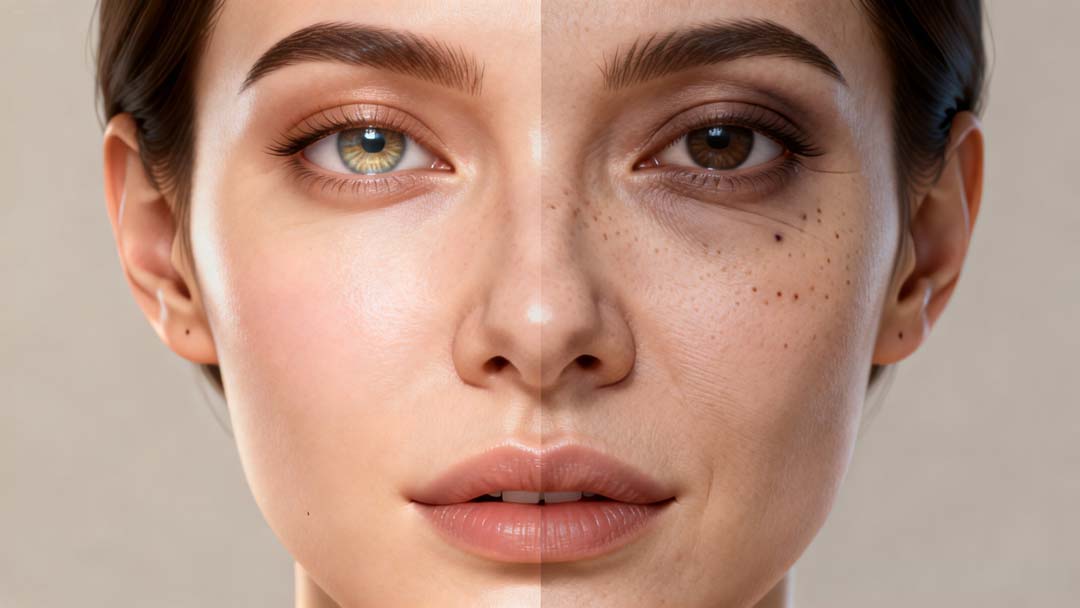
Why Your Skin Looks Tired: The Hidden Impact of Dehydration
We’ve all heard it before: “Drink more water!” But have you ever wondered what actually happens to your skin when you don’t? Turns out, skipping those eight glasses a day isn’t just about feeling thirsty—it’s literally written all over your face. Dehydration can turn your once-glowing complexion into a dull, tired-looking canvas, and the effects go way deeper than you might think.
According to dermatologist Dr. Howard Murad, founder of Murad Skincare, “Dehydrated skin is a condition, not a skin type. When your skin is dehydrated, it can feel tight, look dull, and show signs of premature aging.” This insight highlights that skin dehydration is something we can actually control and reverse—unlike our genetic skin type. The good news? Understanding what’s happening beneath the surface is your first step toward healthier, happier skin.
What Actually Happens When Your Skin Gets Dehydrated?
Think of your skin cells like little water balloons. When they’re properly hydrated, they’re plump, full, and bouncy. But when they lack water, they deflate and shrivel up. This isn’t just a visual problem—it triggers a cascade of issues that can make you look older and feel uncomfortable.
When your skin lacks adequate water, it loses its natural glow and starts looking grayish or pale. You might notice it feels tight, especially after washing your face, and itchiness becomes your unwanted companion. The texture turns rough and uneven, making makeup application a nightmare. What’s worse, those fine lines you’ve been trying to ignore? They suddenly become much more noticeable because dehydrated skin cells can’t plump up the way they should.
The Domino Effect: Six Major Ways Dehydration Ruins Your Skin
1. Dullness and Dryness Take Over
Your skin’s natural radiance comes from healthy, water-filled cells that reflect light beautifully. Dehydration strips away this luminosity, leaving you with a lackluster complexion that no highlighter can fix. The tight, uncomfortable feeling you experience isn’t just annoying—it’s your skin crying out for hydration.
2. Premature Aging Speeds Up
Here’s the scary part: dehydration literally makes you look older than you are. When skin cells don’t have enough water, they can’t maintain their volume. This deflation makes fine lines and wrinkles appear deeper and more pronounced. Your skin starts sagging earlier than it should, and suddenly you’re dealing with aging concerns you thought were years away.
3. Your Skin Loses Its Bounce
Ever seen those skincare videos where someone pinches their skin and it snaps right back? That’s elasticity—and dehydration steals it from you. When you pinch dehydrated skin, it takes longer to return to its normal position. This loss of elasticity means your skin can’t “bounce back” from expressions, leading to more permanent creasing over time.
4. The Acne Paradox
Here’s something that confuses a lot of people: dehydrated skin can actually cause MORE breakouts, not fewer. When your skin lacks water, it panics and starts overproducing oil (sebum) to compensate for the moisture loss. This excess oil combines with dead skin cells, clogs your pores, and—boom—you’ve got acne. So if you’re battling both dry skin AND breakouts, dehydration might be the culprit.
5. Your Protective Barrier Breaks Down
Your skin barrier is like a security guard, keeping irritants and bacteria out while locking moisture in. Dehydration weakens this barrier, making your skin vulnerable to environmental aggressors, pollution, and harmful bacteria. This can lead to increased sensitivity, redness, and recurring skin problems.
6. Dark Circles and Hollow Eyes
In severe cases, extreme dehydration can make the delicate skin under your eyes look sunken, creating those dreaded dark circles and making you look perpetually exhausted—even after a full night’s sleep.
Simple Solutions: How to Rescue Dehydrated Skin
The good news? Reversing skin dehydration is totally doable with some straightforward changes:
Hydrate from the Inside Out
Start with the obvious: drink more water. Aim for at least 8 glasses daily, and more if you’re active or live in a hot climate. Set phone reminders if you need to—your skin will thank you.
Choose the Right Skincare Products
Look for products containing humectants—ingredients that attract and hold water in your skin. Hyaluronic acid is the superstar here, capable of holding up to 1,000 times its weight in water. Glycerin and aloe vera are also excellent choices.
Moisturize Religiously
Apply a good moisturizer twice daily, especially right after washing your face when your skin is still slightly damp. This locks in moisture and creates a protective seal. For extra dry skin, consider a heavier cream at night.
Don’t Forget Sun Protection
UV damage accelerates water loss from skin. Daily SPF isn’t negotiable if you want healthy, hydrated skin.
Use a Humidifier Especially during dry winter months or in air-conditioned spaces, a humidifier adds moisture to the air and helps prevent your skin from drying out.
Avoid Hot Showers
Hot water strips natural oils from your skin. Opt for lukewarm water instead, and keep showers short.
Add Hydrating Serums
Layer a hydrating serum under your moisturizer for an extra boost. Serums penetrate deeper and deliver concentrated hydration where it’s needed most.
The Bottom Line
Your skin is your body’s largest organ, and like every other organ, it needs water to function properly. Dehydration doesn’t just affect how your skin looks—it impacts its health and ability to protect you from the outside world. The effects can range from annoying (dullness, tightness) to genuinely concerning (premature aging, compromised barrier function).
The silver lining? Unlike genetics or certain skin conditions, dehydration is something you have complete control over. With consistent hydration habits and the right skincare routine, you can transform your skin from dull and tired to radiant and healthy.
Start today—your future self will look back and thank you for it. Remember, if you’re experiencing severe or persistent skin issues, it’s always worth consulting a dermatologist. They can help determine whether dehydration is truly the issue or if something else is at play. Your skin deserves professional care when it needs it. [/]